Causes of Car Accidents and Claims: Understanding Your Rights After a Crash in North Carolina
Car accidents cause serious injuries and financial hardship for thousands of North Carolina drivers each year. When another driver’s negligence leaves you hurt and facing medical bills, you need to understand your options for seeking compensation. Panchenko Law Firm helps car accident victims in Charlotte and across North Carolina recover the money they deserve after crashes.
Our experienced Charlotte car accident attorneys know how insurance companies operate and what it takes to build strong claims. Whether distracted driving, drunk driving, or reckless behavior caused your accident, we fight to hold negligent drivers accountable. This guide explains the main types of car accident claims, common causes of crashes, and the steps you should take to protect your rights after an accident.
Common Causes of Car Accidents: Why Crashes Happen and Who’s at Fault
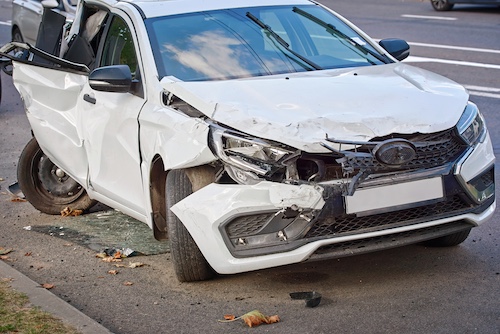
Car accidents happen for many reasons, but most crashes result from driver error and preventable factors.
Top Causes of Car Accidents
Impaired driving and drunk driving account for about 33% of fatal car accidents in the United States. Drivers who operate motor vehicles under the influence of alcohol or drugs put everyone on the road at risk. Speeding and reckless driving contribute to roughly 29% of fatal crashes. When drivers exceed posted speed limits or drive aggressively, they reduce their ability to react to sudden hazards.
Distracted driving causes 8 to 10% of car accidents. Cell phone use while driving remains a leading distraction. Drivers who text, browse social media, or talk on the phone take their attention away from the road. Drowsy driving and driver fatigue create serious dangers as well. Tired drivers experience slower reaction times and poor judgment.
Other Contributing Factors
Many car accidents occur because drivers make unsafe lane changes without checking blind spots. Running red lights and ignoring traffic signals cause dangerous intersection collisions. Teenage drivers and teen drivers often lack experience, which increases their crash risk. Weather conditions like rain, ice, and fog make roads more dangerous. Tire blowouts and mechanical failures can cause drivers to lose control. Animal crossings and construction zones create unexpected hazards that require quick driver response.
North Carolina Focus
Teen drivers, construction zones, and failure to obey traffic signs rank as leading causes in North Carolina. North Carolina law requires all drivers to obey posted speed limits and follow traffic signals. Negligent drivers who break these rules face liability for the accidents they cause.
Liability and Fault
Most car accidents occur due to human error. Negligent drivers who fail to drive safely become the at-fault driver in crashes. Even when weather conditions contribute to accidents, the at-fault driver may still face liability if they failed to adjust their driving. Reckless behavior, aggressive driving, and other driver behaviors that violate traffic laws establish fault in accident claims.

7 Main Types of Car Accident Claims Explained
Understanding the different types of car accident claims helps you seek compensation after a crash.
Negligence Claims (Most Common)
Negligence claims represent the most common type of car accident claim. You file this claim when another driver breaches their duty of care on the road. Distracted drivers who text while driving, drivers who speed, and drivers who run red lights all commit negligence. Most car accidents happen because of these negligent behaviors.
You can seek compensation for medical expenses, lost wages, and pain and suffering through negligence claims. Rear-end collisions often result from negligence when distracted drivers follow too closely or fail to pay attention to traffic ahead.
Uninsured/Underinsured Motorist (UM/UIM) Claims
You file UM/UIM claims with your own insurance company when the at-fault driver lacks adequate coverage. These claims protect you and your passengers when other drivers cannot pay for the serious injuries they cause. North Carolina law sets minimum coverage at $30,000 per person for bodily injury and $60,000 per accident.
Product Liability Claims
Product liability claims target vehicle manufacturers or parts makers for defects that cause car crashes. Faulty brakes, tire blowouts, and airbags that fail to deploy can all lead to these claims. You pursue product liability when a design flaw or manufacturing error contributes to your accident and injuries sustained in the crash.
Wrongful Death Claims
Family members file wrongful death claims when fatal car accidents result in the loss of a loved one. These claims cover funeral expenses, loss of income, and loss of companionship. Wrongful death claims differ from personal injury claims because they address the unique damages that families face after fatal crashes.
Personal Injury Protection (PIP)/No-Fault Claims
Some states offer PIP coverage for immediate medical coverage regardless of fault. North Carolina operates as a fault state, but drivers can purchase PIP as optional coverage. PIP helps cover medical bills and lost wages quickly after car accidents happen.
Dram Shop Liability Claims
Dram shop claims hold bars, restaurants, or hosts responsible when they serve alcohol to visibly intoxicated or underage drivers who then cause crashes. These claims may apply in drunk driving accidents where the establishment shares liability for serving the impaired driver.
Government Liability Claims
You file government liability claims against government entities for unsafe road conditions, faulty traffic signals, or improper signage. Poor road maintenance and broken traffic signs can cause serious car accidents. These claims follow special rules and require faster filing compared to other contributing factors in standard claims.
Step-by-Step Guide: How to File a Car Accident Claim
Following the right steps after a car accident helps you protect your rights and seek fair compensation.
Ensure Safety and Seek Medical Attention
Your first priority after a car accident is safety. Move your vehicle out of traffic if you can do so safely. Check yourself and other drivers for injuries. Call 911 immediately to report the accident and request medical help if anyone needs treatment.
Document the Scene
Take photos of all vehicles involved in the crash. Capture images of road signs, traffic signals, skid marks, and any visible injuries. Collect contact information from other drivers and witnesses at the scene. Request a copy of the police report, as this document provides critical evidence for your claim.
Notify Insurance Companies
Report the accident to your insurance company promptly. Contact the at-fault driver’s insurance company if possible. Provide accurate information about what happened, but avoid admitting fault. Insurance companies often use your statements against you during claims negotiations.
Seek Medical Evaluation
Get a medical evaluation even if you feel fine after the crash. Some serious injuries do not show symptoms immediately. Keep all medical records, bills, and documentation of your treatment. These records prove the extent of your injuries sustained in the accident.
Consult a Car Accident Attorney
Many car accident attorneys offer free consultations to review your case. Most attorneys work on a contingency fee basis, which means you pay nothing unless they recover compensation for you. An attorney helps you maximize your settlement and handles difficult negotiations with insurance companies.
Investigation and Evidence Gathering
Your legal team gathers evidence to build a strong case. They review police reports, interview witnesses, and consult experts when necessary. This investigation establishes who caused the accident and documents all damages.
Settlement Negotiations
Most car accident claims resolve through settlement negotiations with the insurance company. Your attorney handles all communications with insurers and demands a fair settlement. Insurance companies often try to minimize payouts, but an experienced attorney protects your interests.
Filing a Lawsuit if Necessary
If settlement negotiations fail, your attorney may file a lawsuit before the statute of limitations expires. North Carolina law gives you three years from the accident date to file a personal injury claim. Filing a lawsuit demonstrates your commitment to seeking full compensation for your losses.
Get Help from Charlotte Car Accident Lawyers Who Fight for Your Rights!
Do not let insurance companies minimize your car accident claim or pressure you into accepting less than you deserve. Our team at Panchenko Law Firm has helped countless accident victims recover compensation for medical bills, lost wages, and pain and suffering. We handle all types of car accident claims, from rear-end collisions to serious crashes involving impaired drivers.
Contact us at (704) 900-7675 for a free case review today!