Understanding Your Legal Options After a Car Accident
Car accidents happen in an instant but can have lasting consequences that affect your health, finances, and future. Understanding the different types of car accident claims available to you is essential for protecting your rights and securing the compensation you deserve. Whether you’ve been involved in a minor fender bender or a serious collision, knowing which type of claim applies to your situation can significantly impact the outcome of your case.

Personal Injury Claims: Protecting Your Physical and Emotional Well-Being
Personal injury claims represent the most common type of car accident claim and focus on compensating victims for bodily harm suffered in a collision. These claims address both the immediate and long-term physical consequences of an accident, as well as the emotional trauma that often accompanies serious injuries.
Understanding Compensable Injuries
Personal injury claims can encompass a wide range of injuries, from whiplash and soft tissue damage to catastrophic injuries like traumatic brain injuries, spinal cord damage, and broken bones. The severity of your injuries directly influences the value of your claim, as more serious injuries typically require extensive medical treatment, longer recovery periods, and may result in permanent disability.
Beyond physical injuries, personal injury claims also account for psychological harm. Many accident victims experience post-traumatic stress disorder, anxiety, depression, or other mental health challenges following a collision. These emotional injuries are just as real as physical ones and deserve compensation.
What Personal Injury Claims Cover
A personal injury claim seeks compensation for medical expenses including emergency room visits, hospital stays, surgeries, medication, physical therapy, and future medical care. Lost wages form another critical component, covering not only time missed from work during recovery but also diminished earning capacity if injuries prevent you from returning to your previous employment.
Pain and suffering damages acknowledge the physical discomfort and emotional distress you’ve endured. While more difficult to quantify than medical bills, these damages recognize that accidents cause suffering that extends beyond financial losses. Loss of enjoyment of life compensates you when injuries prevent you from participating in activities you once enjoyed, whether that’s playing sports, pursuing hobbies, or simply living without constant pain.
Property Damage Claims: Recovering Vehicle Repair Costs
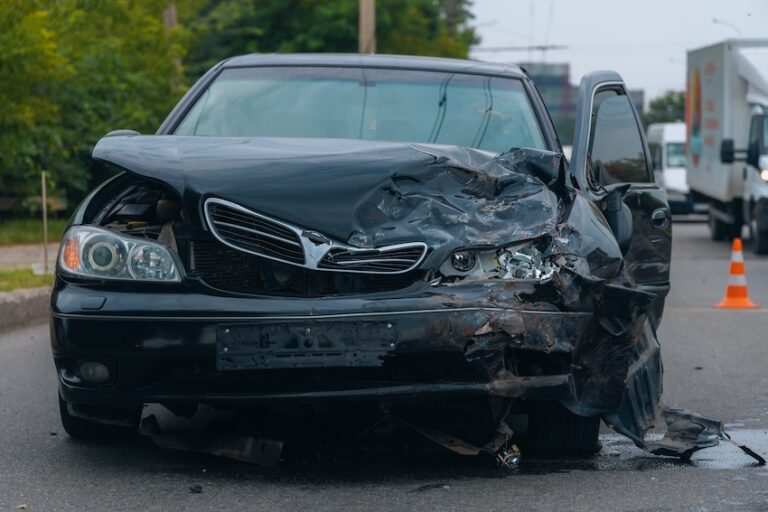
Property damage claims address the physical damage to your vehicle and other personal property damaged in the accident. While often straightforward, these claims require careful documentation to ensure you receive fair compensation for repairs or vehicle replacement.
Vehicle Damage and Total Loss
When your vehicle sustains damage in an accident, you’re entitled to compensation for repair costs that restore your car to its pre-accident condition. If repair costs exceed the vehicle’s actual cash value, insurance companies typically declare the car a total loss and compensate you for the vehicle’s fair market value at the time of the accident.
It’s important to understand that fair market value and replacement cost are not always the same. Insurance adjusters may undervalue your vehicle, making it crucial to research comparable vehicles and challenge lowball offers when necessary. You may also be entitled to compensation for rental car expenses while your vehicle is being repaired or until you receive a settlement for a totaled car.
Other Property Damage
Property damage claims aren’t limited to your vehicle. If personal items inside your car were damaged or destroyed in the accident, such as electronics, clothing, child safety seats, or other belongings, you can seek compensation for these losses as well. Keeping receipts and documentation of damaged items strengthens your claim.
Wrongful Death Claims: Seeking Justice for Fatal Accidents
When a car accident results in the tragic loss of life, surviving family members may pursue a wrongful death claim. These claims serve dual purposes: providing financial support to dependents who have lost a loved one and holding negligent parties accountable for their actions.
Who Can File a Wrongful Death Claim
State laws vary regarding who has legal standing to file a wrongful death claim. Typically, immediate family members including spouses, children, and parents of unmarried children can file these claims. In some jurisdictions, life partners, financial dependents, or distant family members may also have the right to pursue compensation if they can demonstrate financial dependency on the deceased.
Damages in Wrongful Death Cases
Wrongful death claims seek compensation for economic losses including medical expenses incurred before death, funeral and burial costs, lost income and benefits the deceased would have provided, and loss of inheritance. Non-economic damages address the profound emotional toll of losing a loved one, compensating for loss of companionship, guidance, and the emotional support the deceased provided to their family.
In cases involving particularly egregious negligence or intentional misconduct, courts may award punitive damages designed to punish the at-fault party and deter similar behavior in the future. These damages go beyond compensating the family and serve a broader societal purpose of promoting safer driving behavior.

Uninsured and Underinsured Motorist Claims
Not every driver on the road carries adequate insurance coverage, leaving accident victims in a precarious position when seeking compensation. Uninsured and underinsured motorist claims protect you when the at-fault driver lacks sufficient insurance to cover your damages.
Uninsured Motorist Coverage
Despite legal requirements to carry auto insurance, many drivers operate vehicles without coverage. When an uninsured driver causes an accident, you can file a claim under your own uninsured motorist coverage. This insurance steps in to compensate you for injuries and damages when the at-fault driver has no insurance to cover your losses.
Uninsured motorist coverage typically mirrors your liability coverage limits, providing compensation for medical expenses, lost wages, pain and suffering, and other damages you would have recovered from the at-fault driver’s insurance. This coverage proves invaluable in hit-and-run accidents where the responsible party cannot be identified.
Underinsured Motorist Coverage
Even when the at-fault driver carries insurance, their policy limits may not adequately cover your damages, especially in cases involving serious injuries. Underinsured motorist coverage bridges this gap, providing additional compensation when the other driver’s insurance reaches its limit but your damages exceed that amount.
For example, if you sustain injuries requiring extensive medical treatment totaling two hundred thousand dollars, but the at-fault driver only carries a one hundred thousand dollar liability policy, your underinsured motorist coverage would provide the additional compensation needed to cover your full losses.
Third-Party Liability Claims Beyond the Driver
While most car accident claims involve the negligent driver’s insurance company, various circumstances may allow you to pursue compensation from additional parties whose actions or negligence contributed to the accident.
Employer Liability in Commercial Vehicle Accidents
When a commercial vehicle driver causes an accident while performing work duties, their employer may be held liable under the legal doctrine of respondeat superior. This principle holds employers responsible for their employees’ negligent actions during the course of employment. Commercial vehicle accidents involving delivery trucks, semi-trucks, buses, or company cars often involve claims against both the driver and their employer.
Employer liability claims can provide access to larger insurance policies and greater financial resources than individual driver policies, potentially resulting in more comprehensive compensation for severe injuries.
Vehicle Manufacturer Product Liability
Sometimes accidents occur or injuries worsen due to defective vehicle components or design flaws. Product liability claims target manufacturers, distributors, or retailers when defective products contribute to accidents or injuries. Common examples include defective airbags that fail to deploy or deploy improperly, faulty brakes or steering mechanisms, tire defects causing blowouts, and design flaws that make vehicles prone to rollovers.
Product liability claims require establishing that a defect existed, the defect made the vehicle unreasonably dangerous, and the defect caused or contributed to your injuries. These complex claims often involve extensive investigation, expert testimony, and analysis of manufacturing processes and design decisions.
Government Entity Claims for Road Defects
Poor road maintenance, inadequate signage, malfunctioning traffic signals, or dangerous road design can contribute to accidents. When government negligence in maintaining roadways causes or contributes to an accident, you may have grounds for a claim against the responsible government entity.
Claims against government entities face unique challenges including shorter filing deadlines, specific notice requirements, and sovereign immunity limitations. These claims demand prompt action and thorough knowledge of procedures for filing claims against government agencies.
No-Fault Insurance Claims in Select States
Approximately a dozen states operate under no-fault insurance systems that fundamentally change how car accident claims work. Understanding whether you live in a no-fault state and how these rules affect your ability to seek compensation is crucial following an accident.
How No-Fault Insurance Works
In no-fault states, drivers carry personal injury protection coverage that compensates them for their own injuries regardless of who caused the accident. After a collision, you file a claim with your own insurance company rather than pursuing compensation from the at-fault driver. This system aims to reduce litigation and expedite compensation for medical expenses and lost wages.
Personal injury protection typically covers medical expenses, lost wages up to a specified limit, and sometimes essential services you can no longer perform due to injuries. However, coverage limits in no-fault states may be insufficient for serious injuries, leaving victims with substantial uncompensated losses.
Exceptions to No-Fault Rules
No-fault systems don’t completely eliminate the right to pursue claims against at-fault drivers. Most no-fault states establish thresholds that, when exceeded, allow victims to step outside the no-fault system and file traditional liability claims. These thresholds typically involve serious injuries meeting specific criteria, such as permanent disfigurement, significant limitation of bodily function, or medical expenses exceeding a statutory amount.
Understanding your state’s threshold requirements is essential for determining whether you can pursue full compensation through a liability claim against the at-fault driver.
Choosing the Right Type of Claim for Your Situation
Many car accidents involve multiple types of claims filed simultaneously. You might pursue a personal injury claim for your injuries, a property damage claim for vehicle repairs, and an underinsured motorist claim if the at-fault driver lacks adequate coverage. The specific claims appropriate for your situation depend on factors including the nature and severity of your injuries, the extent of property damage, the at-fault party’s insurance coverage, whether commercial vehicles or defective products contributed to the accident, and your state’s insurance laws.
The Importance of Legal Representation
Navigating the complexities of car accident claims without experienced legal guidance puts you at a significant disadvantage. Insurance companies employ teams of adjusters and attorneys working to minimize payouts. Having a knowledgeable attorney on your side levels the playing field and protects your interests throughout the claims process.
An experienced car accident attorney can accurately assess the types of claims available to you, calculate the full value of your damages including future losses, gather and preserve critical evidence supporting your claims, negotiate with insurance companies on your behalf, and litigate your case in court if settlement negotiations fail to produce fair compensation.
Take Action to Protect Your Rights
Time limits for filing car accident claims vary by claim type and jurisdiction, but waiting too long can result in losing your right to compensation entirely. If you’ve been injured in a car accident, taking prompt action protects your legal rights and strengthens your claim.
Document the accident scene, seek immediate medical attention even for seemingly minor injuries, notify your insurance company of the accident, preserve all evidence including photos, medical records, and repair estimates, and consult with an experienced car accident attorney before accepting any settlement offers.
Understanding the types of car accident claims available to you empowers you to make informed decisions about pursuing the compensation you deserve. Don’t navigate this complex process alone or accept less than full compensation for your injuries and losses.

Contact BP Counsel for a Free Consultation
If you or a loved one has been injured in a car accident, time is of the essence. The sooner you contact an experienced attorney, the better protected your rights will be. At BP Counsel, we offer free, no-obligation consultations to discuss your case, evaluate your claims, and explain your legal options.
Our dedicated legal team has successfully represented countless car accident victims, securing the compensation they need to rebuild their lives. We handle all types of car accident claims and work on a contingency fee basis, meaning you pay nothing unless we win your case.
Don’t wait to protect your rights.
Call BP Counsel today at (704) 900-7675 or fill out our online contact form to schedule your free consultation. Let us fight for the compensation you deserve while you focus on your recovery.
About BP Counsel
BP Counsel provides dedicated legal representation for car accident victims, fighting to secure maximum compensation for injuries, damages, and losses. Our experienced attorneys understand the complexities of various claim types and work tirelessly to protect your rights throughout the legal process.