Distracted Driving Accidents Cause Serious Injuries and Deaths on Charlotte Roads
Distracted driving accidents claim thousands of lives each year and leave victims with serious injuries, medical expenses, and lost wages. Drivers who text, eat, or use cell phones behind the wheel create danger for everyone on the road.
At Panchenko Law Firm, our experienced Charlotte car accident lawyers help victims gather evidence like phone records and police reports to hold negligent drivers accountable. We fight to secure full compensation for people injured by distracted drivers and help them rebuild their lives.
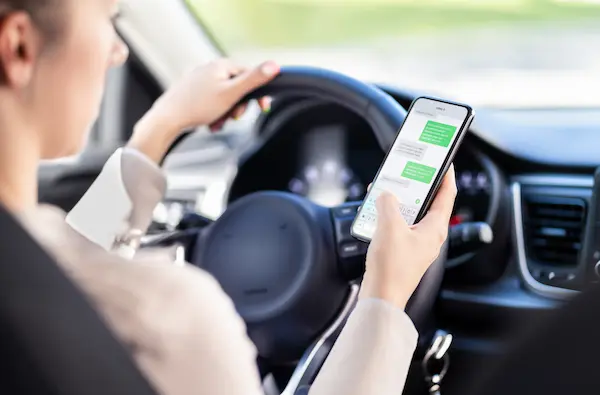
What Is Distracted Driving?
Distracted driving causes thousands of crashes each year and puts everyone on the road at risk.
Distracted driving happens when a driver does anything that takes attention away from driving safely. The National Highway Traffic Safety Administration groups these distractions into three main types.
Visual Distractions
Visual distractions pull your eyes away from the road. Drivers look at their cell phones, check navigation systems, or watch events on the roadside. Looking at a phone screen for just a few seconds means you travel blind. Research shows that taking your eyes off the road for five seconds at highway speed equals driving the length of an entire football field with your eyes closed.
Manual Distractions
Manual distractions happen when drivers take their hands off the wheel. Common examples include eating and drinking, reaching for objects, or adjusting car controls. A driver who holds food or a phone has less control over the vehicle. Spilled drinks can cause sudden reactions that lead to crashes.
Cognitive Distraction
Cognitive distraction occurs when your mind wanders from the primary task of driving. Talking to passengers, stress, daydreaming, or using handheld devices all divert mental focus. Even hands-free phone use creates cognitive distraction. The National Safety Council found that drivers cannot give full attention to the road while holding conversations.
Common Forms of Driver Distraction
Cell phone use remains the top cause of distracted driving crashes. Texting combines all three types of distraction at once. Other evidence shows that drivers engage in many dangerous behaviors behind the wheel. These include programming GPS devices while driving, checking social media, eating, grooming, and handling children or pets.
Police reports frequently cite distracted drivers in motor vehicle crashes. Young drivers and teen drivers show higher rates of phone use while driving. State lawmakers have banned texting in most states to reduce injury crashes and fatal crashes.
Why Texting While Driving Is Especially Dangerous
Text messaging behind the wheel creates the deadliest combination of distractions a driver can face.
Texting Combines All Three Types of Distraction
Texting while driving is uniquely dangerous because it involves visual, manual, and cognitive distraction at the same time. Your eyes leave the road to read the screen. Your hands leave the wheel to hold the phone and type. Your mind shifts away from driving to compose or read messages. No other distracted driving behavior combines all three risk factors in one activity.
The Five-Second Rule
A text takes your attention away for about five seconds on average. At highway speeds of 55 mph, your car travels the length of an entire football field during those five seconds. You essentially drive blind for 100 yards. In that distance, traffic patterns change, vehicles brake, and pedestrians cross streets.
Crash Risk Increases Dramatically
Research shows that texting drivers face up to 23 times higher crash risk compared to drivers who keep their eyes on the road. The National Highway Traffic Safety Administration reports thousands of fatal crashes each year involving cell phone use. Young drivers and teen drivers show particularly high rates of texting-related crashes.
Delayed Reaction Times
Drivers involved in texting cannot react quickly to hazards. Studies by traffic safety experts prove that reaction times slow by several seconds when drivers use handheld phones. This delay often means the difference between avoiding a crash and causing one. Police reports consistently show that distracted drivers failed to brake or swerve before impact.
State Laws Target Texting
Most state lawmakers have banned texting while driving specifically because of its extreme danger. These laws recognize that text messaging poses greater risks than other forms of distraction. Violations can result in fines, license points, and civil liability if crashes occur.
Why Eating and Drinking Behind the Wheel Are Risky
Eating and drinking while driving may seem harmless, but these activities cause thousands of distracted driving crashes every year.
Manual Distraction Takes Control Away
Eating and drinking require at least one hand off the wheel. Drivers who hold food or beverages lose partial control of their vehicle. Safe driving demands both hands available to steer, especially during sudden maneuvers. A driver with a coffee cup or sandwich cannot react as quickly to avoid crashes.
Spills Create Dangerous Reactions
Hot coffee spills, dropped food, and liquid splashes trigger panic reactions. Drivers involved in spill incidents often make abrupt steering movements or sudden braking. These reactions can cause the vehicle to swerve into other lanes or off the road entirely. Police reports document numerous crashes where drivers lost control after spilling drinks.
Divided Attention Slows Response Time
Focusing on food or drink diverts attention from the primary task of driving. Your mind shifts between eating and watching the road. Research shows this divided attention slows reaction times significantly. Drivers cannot spot hazards as quickly when their cognitive focus splits between multiple tasks.
Reaching and Fumbling Increases Crash Risk
Drivers often reach for food containers, unwrap items, or search for napkins while behind the wheel. These movements cause drivers to drift out of lanes or miss traffic signals. Looking down to avoid spills means taking your eyes off the road. The National Highway Traffic Safety Administration identifies eating as a major factor in distraction-related crashes.
Common Foods Pose Higher Risks
Messy foods like tacos, burgers, and soups require more attention and handling. Hot beverages can cause burns if spilled. Drivers engage in riskier behavior when handling complicated food items. Even simple activities like sipping coffee can lead to motor vehicle crashes when combined with other driving demands.
Other Common Distracted Driving Behaviors
Distracted driving extends far beyond texting and eating, with numerous everyday activities putting drivers and others at risk.
Cell Phone Use Beyond Texting
Handheld phone use includes many dangerous activities besides text messaging. Drivers check social media notifications, browse websites, and watch videos while behind the wheel. Making phone calls on handheld devices requires manual and cognitive attention. Even brief glances at phone screens can cause drivers to miss critical traffic changes.
Navigation System Programming
Entering addresses into GPS devices or navigation systems while driving creates a significant distraction. Drivers take their eyes off the road to type destinations and read maps. Programming these systems requires manual input and mental focus. Safe driving practices require drivers to set navigation before starting the vehicle.
Entertainment System Adjustments
Searching for music, changing radio stations, or selecting podcasts diverts attention from driving. Drivers involved in entertainment-related crashes often report looking down at controls during the incident. Modern car systems offer many options that tempt drivers to engage while moving. These adjustments may seem quick, but can lead to serious crashes.
Personal Grooming Activities
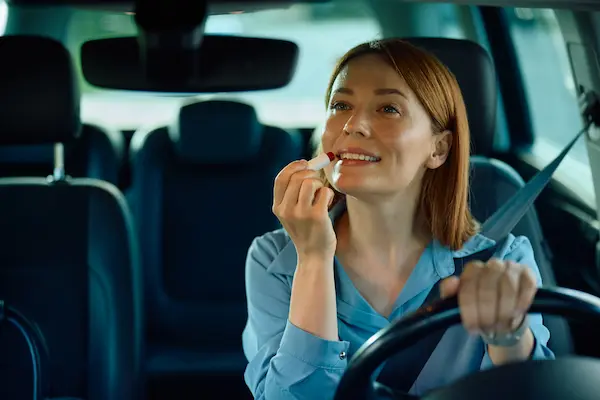
Grooming behind the wheel includes brushing hair, applying makeup, and shaving. These activities require drivers to use mirrors and take their hands off the wheel. Police reports frequently cite grooming as a factor in distracted driving crashes. Young drivers and teen drivers sometimes use drive time for appearance preparation.
Passenger Interactions
Talking to passengers creates cognitive distraction even without visual or manual components. Turning to face passengers in the back seats takes eyes off the road. Tending to children or pets requires reaching and looking away from traffic. Drivers engage in conversations that reduce their focus on the primary task of driving.
Rubbernecking and External Distractions
Looking at roadside events, accidents, or attractions pulls the driver’s attention away from safe operation. Other evidence shows that rubbernecking causes secondary crashes near incident scenes. Billboards, pedestrians, and unusual sights can all divert visual focus. The National Highway Traffic Safety Administration warns that external distractions contribute to injury and fatal crashes.
Contact Our Charlotte Distracted Driving Accident Lawyers for a Free Consultation!
If you or a loved one suffered injuries in a crash caused by a distracted driver, the team at Panchenko Law Firm can help you pursue the compensation you deserve. Our Charlotte car accident lawyers investigate distracted driving crashes thoroughly, review police reports and phone records, and build strong cases against negligent drivers.
Contact us at (704) 900-7675 for a free case consultation today!